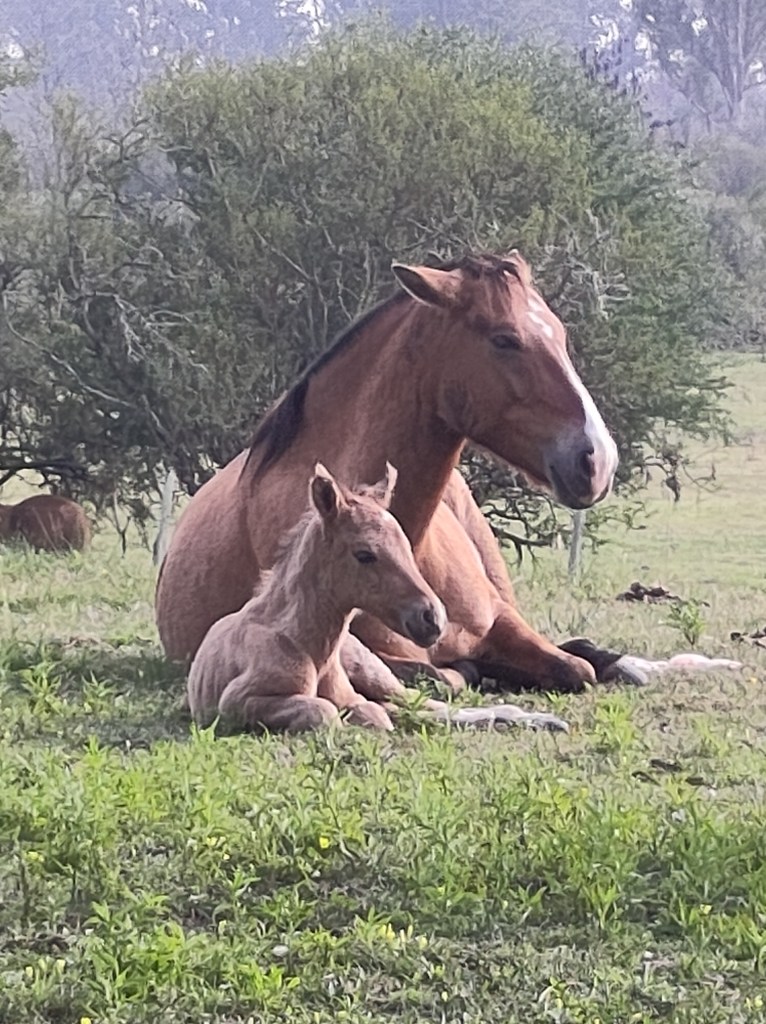
The second half of May brought us wilderness but also some more calm and peace. Before I dive into our experiences on our pretty wild road trip, let me introduce you to the latest addition to the horse family. This morning our mare gave birth to her first borne. We missed the actual birth by probably no more than half hour but got to see all the rest. Wow, what a process. It was magical to see how the group of horses – ours are all free and roam the grasslands together in a group – interacted with each other on this special occasion, with an old mare acting as a chaperon, keeping the gelding at bay and gently neighing encouragements to the new mom. I think I may call the little one The Flash, as it started almost galloping since the get go 😊
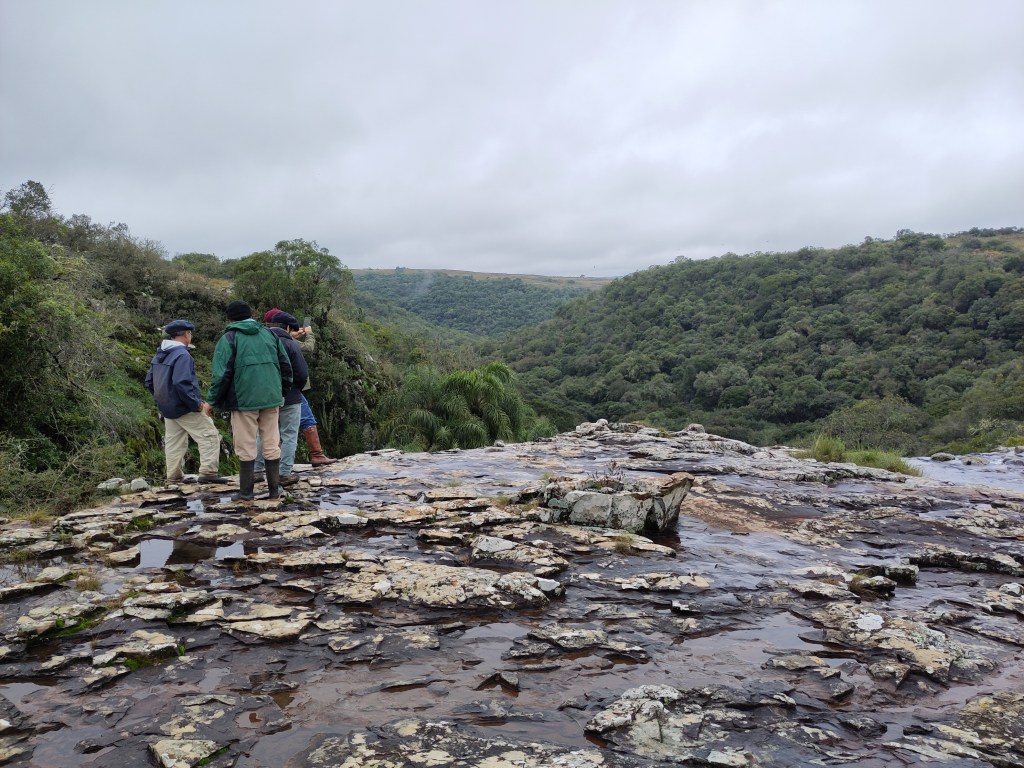
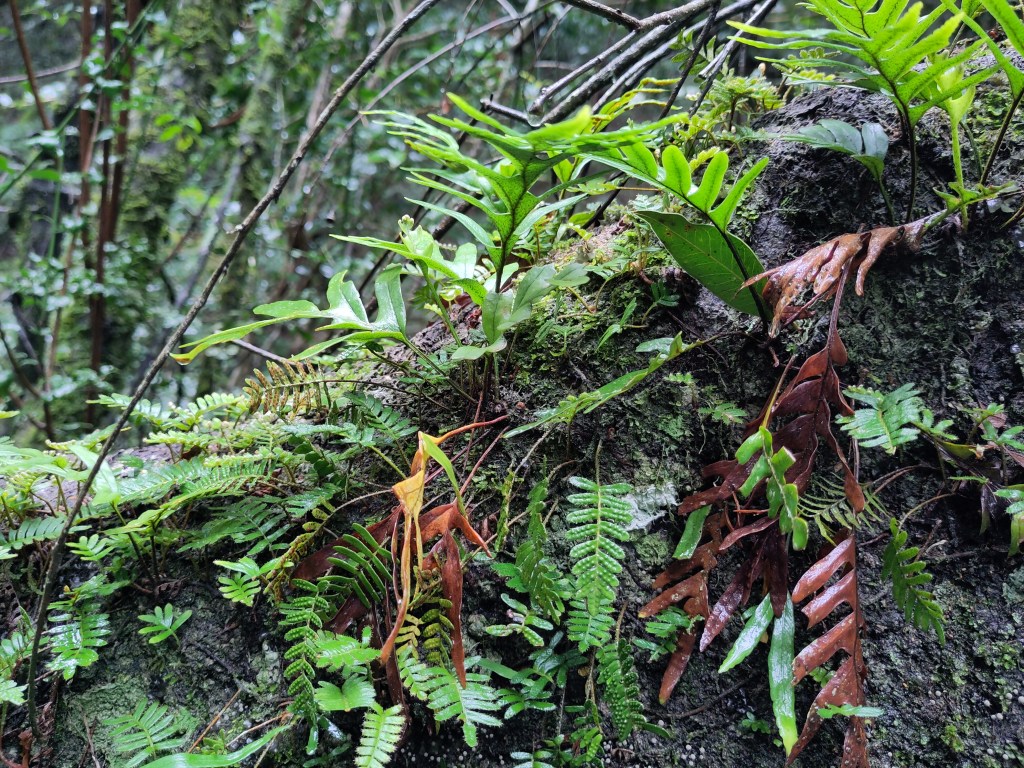
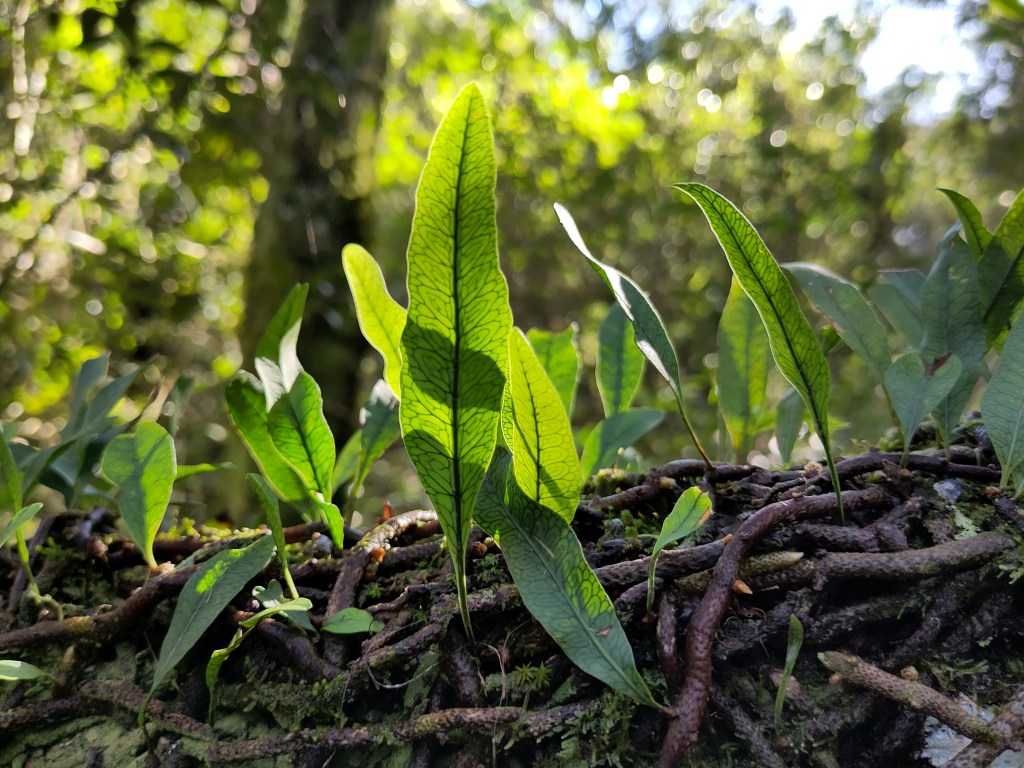
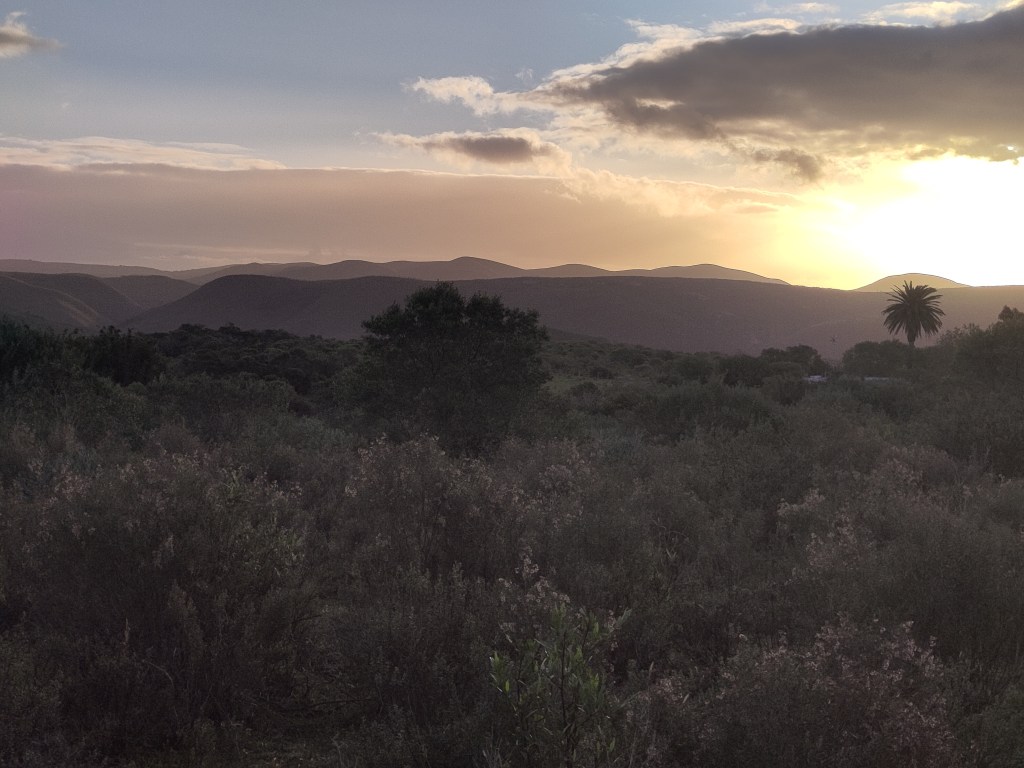
So, on our road trip we went to various places, including my uncle and his wife’s farm in northern Uruguay, thermals baths, and vineyard in the mountains north of Punta del Este, but I am going to focus here on the two national parks that we visited because I think it’s important to point out their beauty but also the challenges of experiencing them. We went to the ‘Valle de Lunarejo’ and the adjacent area of Laureles in northern Uruguay in the departamentos of Rivera and Tacuarembó, respectively. This area is part of the northern mountain range – Uruguay has no ‘mountains’ as the highest point is some 500m but rolling hills and Table Mountain formations. Geologically this area is super interesting as the hills are cut by deep valleys and cliffs that are the result of tectonic movements in the basalt and volcanic formations. I am by no means an expert on this. While the hill tops are mostly flat and can therefore be used comfortably for cattle and sheep grazing the valleys exhibit a sub-tropical climate hosting vegetation of the ‘selva misionera’ of the southern part of Brasil and the northern part of Argentina (rainforests of Misiones). We therefore saw palm trees, an abundance of fern species, and large tropical trees. Similarly, this region still hosts Pumas and the rare Tatú Rabo Molle, an armadillo species under strict protection.
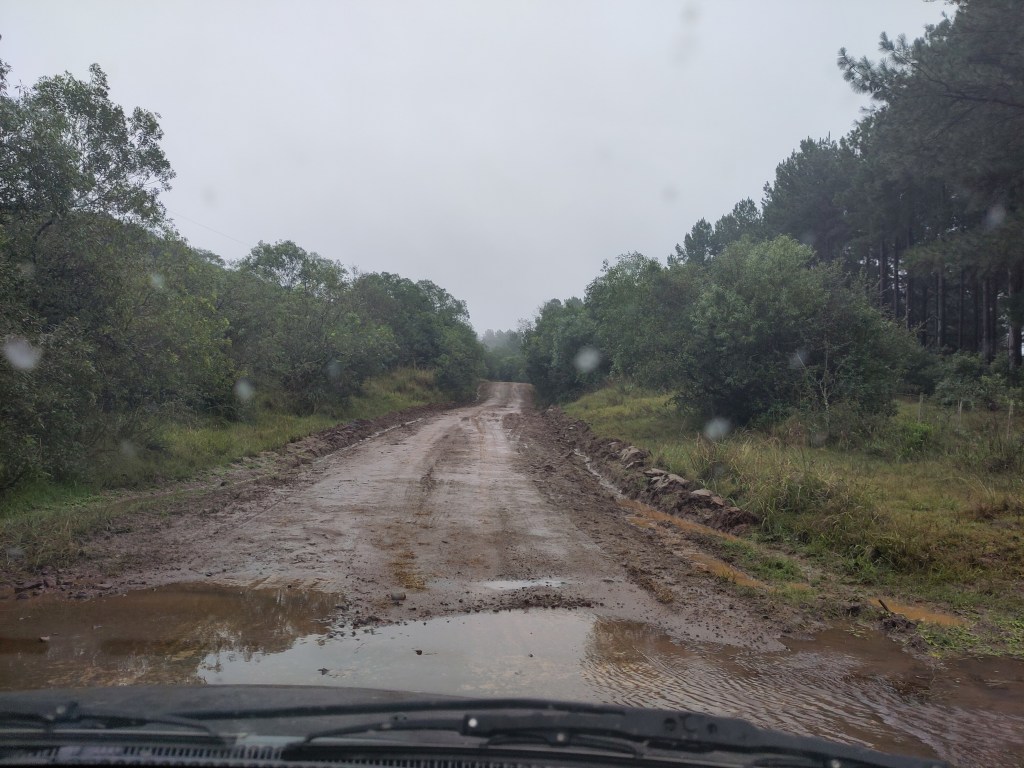
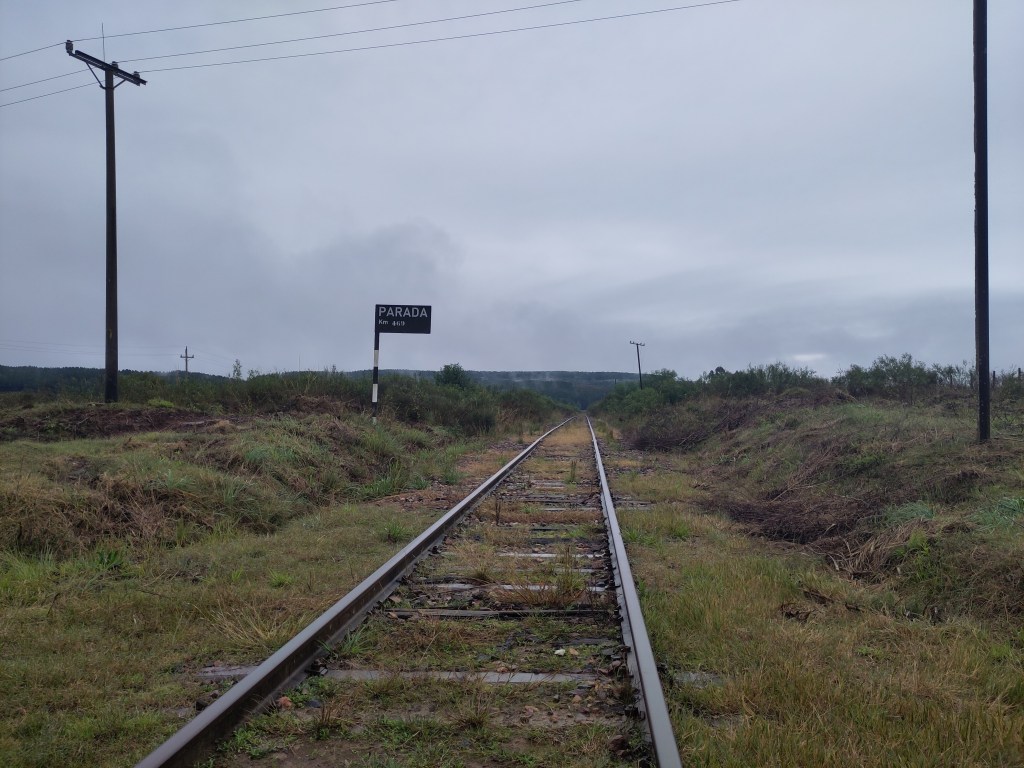
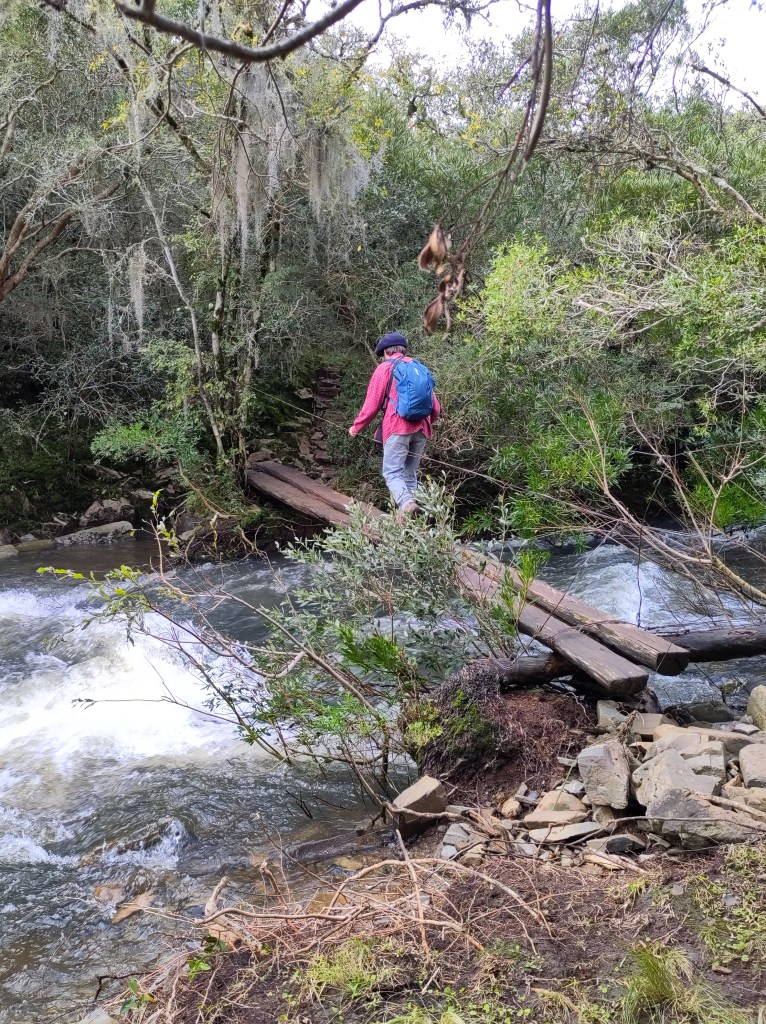
Getting to our hosts establishment ‘Bichadero’ was a major challenge with our little Chevrolet which by no means has four-wheel drive abilities. Most of the roads in Uruguay are apparently currently under construction. The main road connecting the western boarder in Salto with Tacuarembó, while amazing scenically, was mostly under construction, thus either with potholes or with machines on it. It took us forever. Oh, and there was not a single gas station on those 220 km. But that was the easy part compared to the 50 km trip from Tacuarembó into the mountains. Apart from the fact that it was very moist and somewhat foggy it was a stoney and bumpy ride in which we crossed a number of creeks – no to shaky bridges. We should have taken the railway… the part from Tacuarembó to Rivera, passing Laureles and Tranqueras, is, in fact, the last bit of railway in Uruguay that still carries passengers. It runs twice a week, these days Tuesdays and Fridays. We missed it, because we didn’t know.
Our hosts, Darío Fros and his wife Serrana, are pioneering wildlife enthusiasts. They started their eco-tourism business out of total despair when the meat and wool prices plummeted in the early 2000 and poverty in this part of the world and in Uruguay in particular was widespread. They had 3 small girls and ailing parents on their hand. They took the opportunity that the government provided to the local population at that point in time and took all the courses they could lay their hands on. And then, they worked; they worked hard. They continued having cows and sheep which they do until today and started their eco-tourism business with one pair of bed sheets and one set of towels. As Serrana told me, from every customer they had they put some money aside to be able to grow the business, to buy new sheets, build a new toilet, fix the roof. They succeeded and survived the COVID-Pandemic which hit other entrepreneurs in the region hard. Don’t expect luxury. The housing is still very simple, but the views from the dining room are majestic and the food is simply priceless. Serrana and her daughter make most of the food themselves, including the bread, cakes and cookies, the jams and sweets, the meat is from their own animals that they slaughter on site, the fruits and vegetables from their garden or from visitors and friends that bring them fresh produce from their own farms.
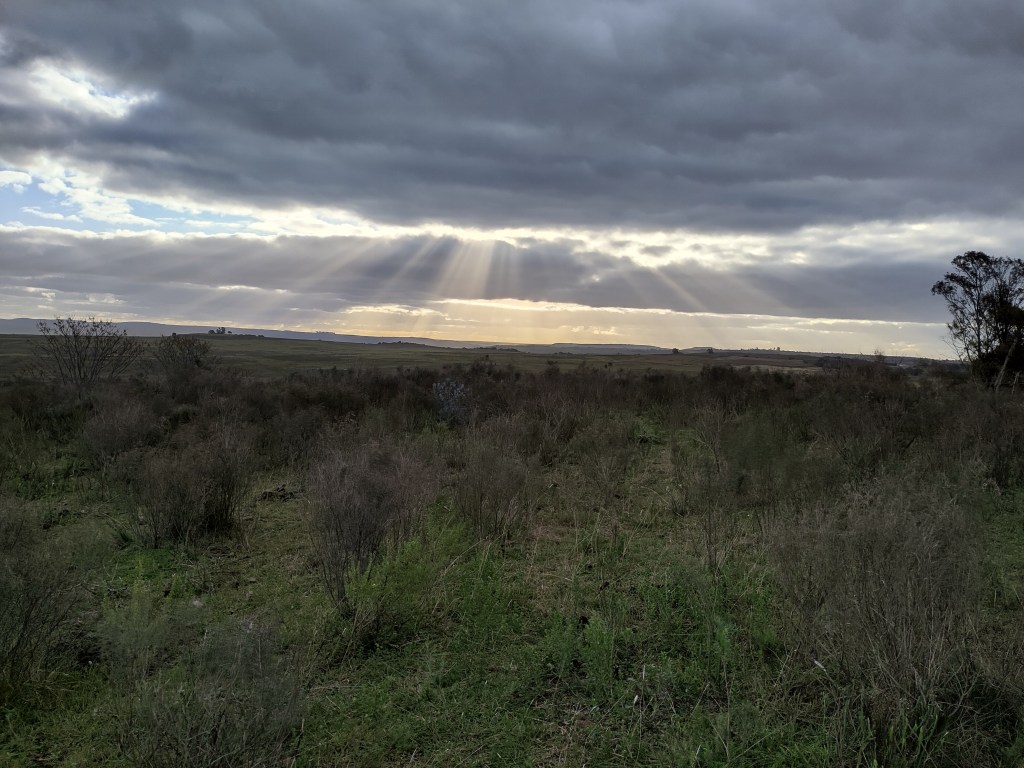
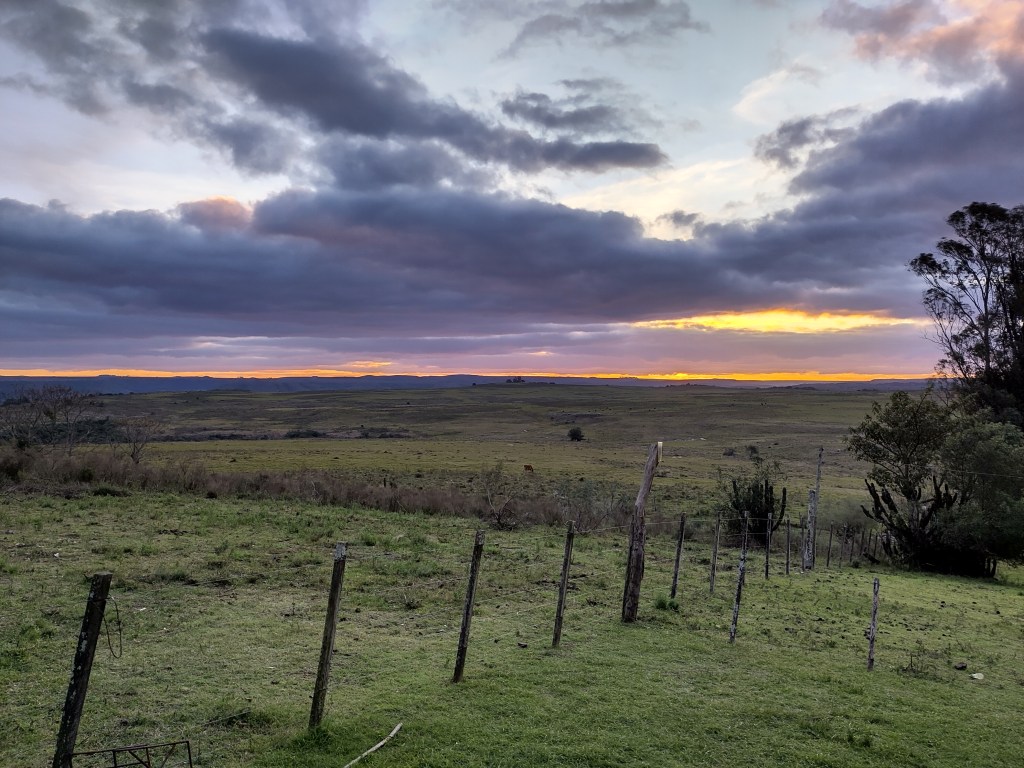
Darío was our guide for the time we were there. We were unlucky, it rained most of the time or was super foggy and cloudy. Only on the last day did the sunshine make an outing and blessed us with the majestic landscapes. Ron went horseback riding and felt like he was in a Karl May book with Winnetou and Old Shatterhand coming around the corner any minute. Darío told me that he had closed off 50ha of his 300ha for wildlife protection and that no cattle grazing was allowed there. He is a great connoisseur of flora and fauna and has co-authored a book on ferns of the northern quebradas which is yet to be published. He showed us images of animals he had captured on this wildlife cameras including pumas and the like. He has established fantastic trails through ‘his quebradas’ and has encouraged neighbours to follow his example. Some are cooperative, others not so much. He has been strongly pushing for the region of Laureles, which is south of the already established national park of the ‘Valle de Lunarejo’ to also be declared a protected area but has not succeeded so far. The timber production is strong in the region and has no interest in stopping their business; other fear they may no longer be allowed to cut the native trees for their own consumption purposes. It’s difficult to cut through the fake information and fears and show the opportunities. The Fros family was fortunate; all three girls were sent off to university and got a good education, they are doing well financially through their double business of eco-tourism and cattle raising. But they clearly stated that it is hard work and not easily gained money. As a visitor you are being welcomed into their family, you eat with them at the same table, the kitchen is open for conversations. (Price per night full pension four meals a day, bedroom with own bathroom 2500UYU per person; guided trips cost extra depending on the length and if its on- or off-site, the 3km trail on site cost us 200UYU per person; 40 UYU are approx. 1 €)
When we reached the information centre of the ‘Valle de Lunarejo’ I was slightly disappointed to hear that there was no publicly accessible area except roads. As most national parks in Uruguay most if not all the terrain is in private hands. We ended up checking out a bird watching station that was on a side road and went to the shop of a small NGO that demonstrates the process of wool spinning and dying with natural colours and sells ponchos, shawls and other woollen apparel. The place to stay in this area seems to be ‘El Gavilán’ owned and run by Cesar Viera, where you can also sleep, eat and arrange for guide tours, but you can find more places under https://www.lunarejo.uy/alojamientos. We had quite a good lunch in nearby Tranqueras, a small, dusty and slightly sullen town where the train also stops.
In contrast to the northern mountains and valleys, the more southeastern ‘Quebrada de los Cuervos’ is more advanced and developed. Here, some 300ha are public land and a fantastic and quite challenging 3km trail takes you through the different habitats. There is a really nice 3km trail that you can also do without a guide right next to the public entrance which gets across a creek and to a very nice waterfall. Similarly to the quebradas of the north you find microclimatic conditions in the valley which allows for tropical to sub-tropical vegetation. Even Tucanos come here! The hills are more undulated and lass flat than in the north, the waterfalls are just as impressive. A group of women (Posta de las Cuervas) and other guides that the hosts know about can guide you to other locations on the adjacent private lands. We also did the ‘Cascada del Brujo’ with a private guide (much needed as it would have been impossible to find our way without him). I had been here with Noah some 15 years ago and it was impressive to see how much the vegetation had changed since then due to the reduction in grazing and the enhanced protection measures. And while the tour service was excellent it came at quite a hefty price (3000UYU for an 8km tour).
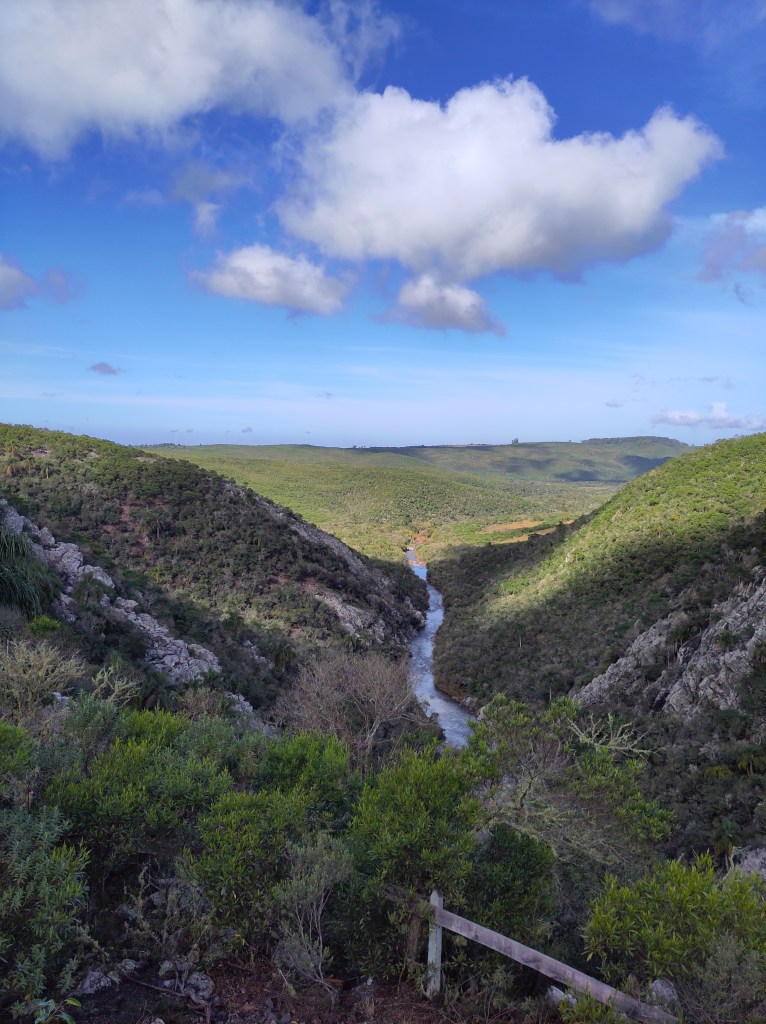
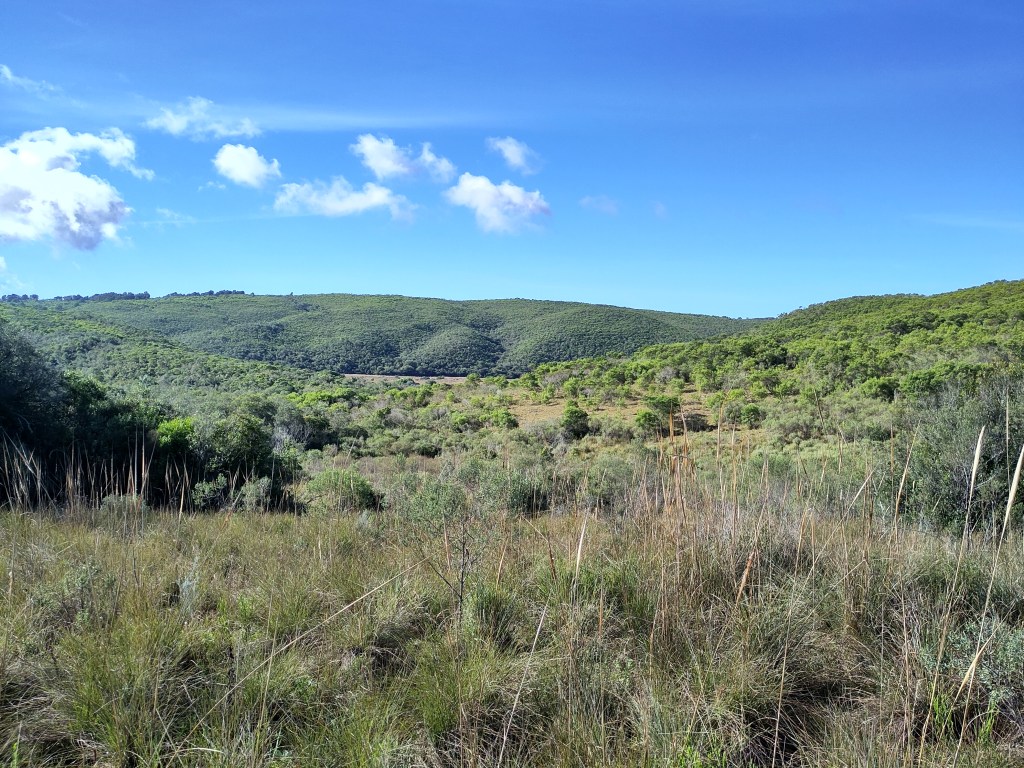

We stayed in ‘El Proyecto’ with Angelica and her husband Nestor. They own some 900ha of land in the northern part of the national park and also still have sheep and cows. Food was exquisite with freshly milked cow milk, self-made yogurt and butter, jams from native fruits such as guayaba and butiá, and an assortment ofself-made bread and pastry that left us longing for more every time (here we paid 3000UYU for two people for a private room with our own bathroom per night; each meal cost us 650UYU; personally, I found the prices quite justified). Another quite known place is ‘El Capricho’ who also offer ‘walk-in’ lunch and a camp site for tents. We entered the area from the north on Ruta 8 and had to make some detours as the one path/street that Google maps showed me was definitely not a publicly accessible road when we crossed it. Amazing landscapes with blue rolling hills in the background.
Overall, my take-aways from the trip were:
- Uruguay’s roads can be absolutely great in some parts but are quite catastrophic once you get away from some of the main trade roads.
- I was truly mesmerized by the food that was offered. It just tastes so much better when the produce is fresh, and the products are self-made with love. I also never felt like the food was part of the tourist ‘show’ but rather that this was truly the way of life of the hosts. Priceless.
- For us Europeans the ability to go on trails without needing a guide was more soothing. While we learned quite a lot about the flora and fauna and the geology and also some of the stories and folklore of the regions through the guides, being able to just be in nature and to enjoy it at your own pace was more possible in our self-guided tours.
- The infrastructure surrounding the national parks, including things like information where to stay, where to eat, what to do, can still be improved. As a foreigner it may be difficult to get the full experience without good support from travel agencies (I did wonder if there are any good tourist guidebooks out there that include these more remote parts of Uruguay…).
- In relation to the above, I also found it quite challenging to be planning things rather ad-hoc. I guess you get more of a ‘package’ when you go with an organized tour (like what Vida Silvestre, a local NGO, has been offering in the past years). But the hosts weren’t there to suggest tours for you (Angelica kind of did, which was good). Like when you go to the tourist office of a city and you tell them you’re going to be in town for 2 days and they will tell you these 3 options of how to get the most out of the town in that time, kind of the ‘best of’ suited for your abilities, needs, wants, etc. Maybe, I am asking too much…
Anyway, we did see wilderness, maybe not in the sense of the Big Five of the Serengeti but in being quite far away from everything, experiencing the landscapes and the contrasts in them, the mix of extensive cattle herding and wildlife conservation.

 Tamara Avellán
Hinterlasse einen Kommentar