Today, my father would have turned 89 years old. He loved this farm, even though it was not his and he had no connections to Uruguay except through my mom. He saw a value in preserving family heirloom, something he had not had when growing up as an illegitimate child in WW2 times in Nicaragua. He was raised by his stepmother, his father’s wife, as the eldest of his 4 half siblings. He got to get the new clothes which the brothers then wore as hand-me-downs. His actual sister was not as lucky as my father, most likely because she was a girl, and grew up with her mother in poverty. My father did not talk about his upbringings – he was very ashamed even as a grown adult.
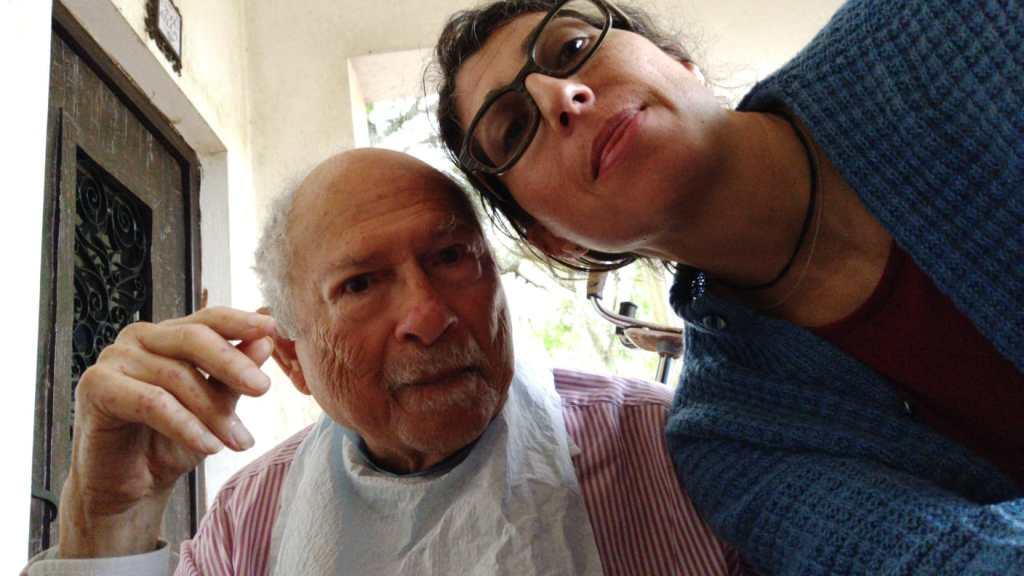
My father and I in 2020 on his last visit to Uruguay
In the early 2000, when he retired from his 30+ years of working as an engineer for Siemens he decided, much to my mother’s misery, to come to Uruguay and to renovate and restore the farmhouse entirely. It took him several years and the stress and his poor physical self-care probably cost him his health (he had a severe stroke, and Ulises, in the picture below, actually found him; my dad was then an invalid for 16 years and in my mother’s tireless care). In their time here, they joined the local Rotary Club, which is composed up to this day of the local businessmen and -women that is the butcher, the pest control entity, the oven-builder, the print shop, the auto mechanics, etc. This, as my mother put it the other day when I talked to her over the phone, is a unique club. Their dedication to Rotary and its cause of social responsibility is unparalleled. These are humble locals who tirelessly work – some of them in Rotary their entire life since childhood and now quite senior – to better the conditions of their neighbours, their street, their town.
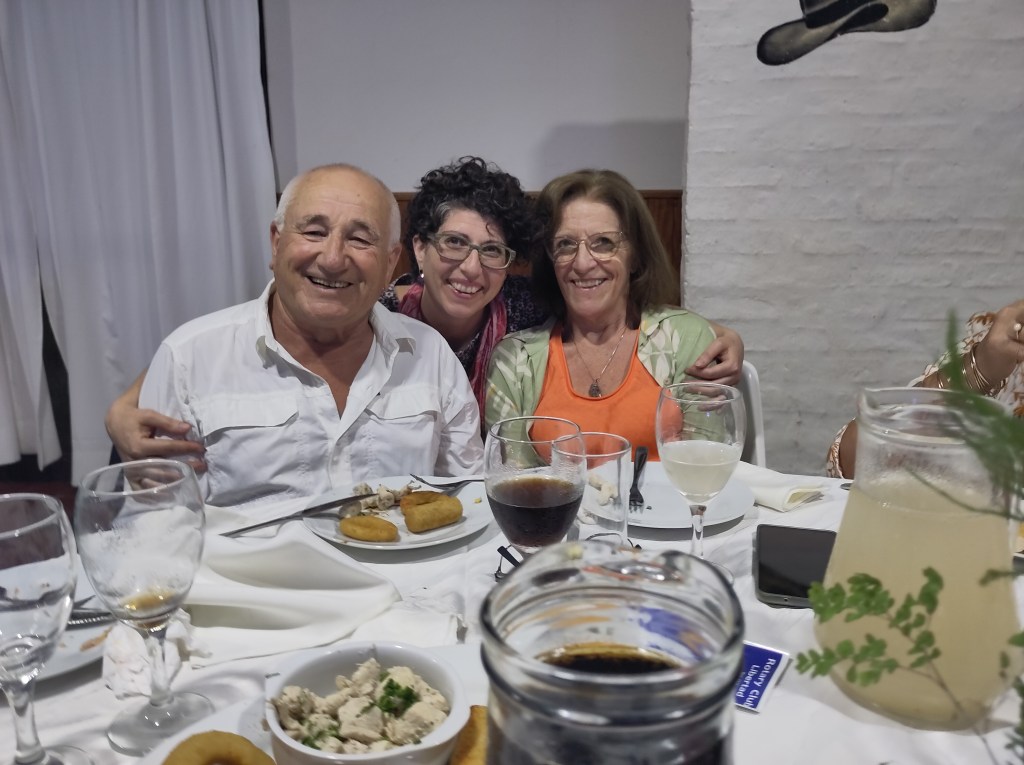
Ulises and his wife Estrella earlier this year at one of the Rotary Club dinners
So, I turned to this fantastic group of people with my idea of a river clean-up a few weeks ago, as I felt the urge of at least having done something for the river, the water and its ecosystems in my time here. I thought of it, quite naively, as an event I knew from Europe, where you make a call for action to the local population, you hand out some trash bags and gloves, put the garbage truck at some collection points and then just go for it. But, while the ‘Elbwiesenreinigung’ in Dresden has been going on now for 30 years since the mid 1990’s and attracts many thousand volunteers each time, the ‘Limpieza del Arroyo Flores’ was a first for this town. I was grateful for the support of the members of the Rotary Club. They called every single NGO, sports club, cooperative, etc. and asked them to volunteer 1-2 people for the cleanup last Saturday, 10 august. They informed all the neighbouring farmers, coordinated with the city officials, the police, the firefighters and the ambulances. Local media produced some very nice articles and reports on the event.
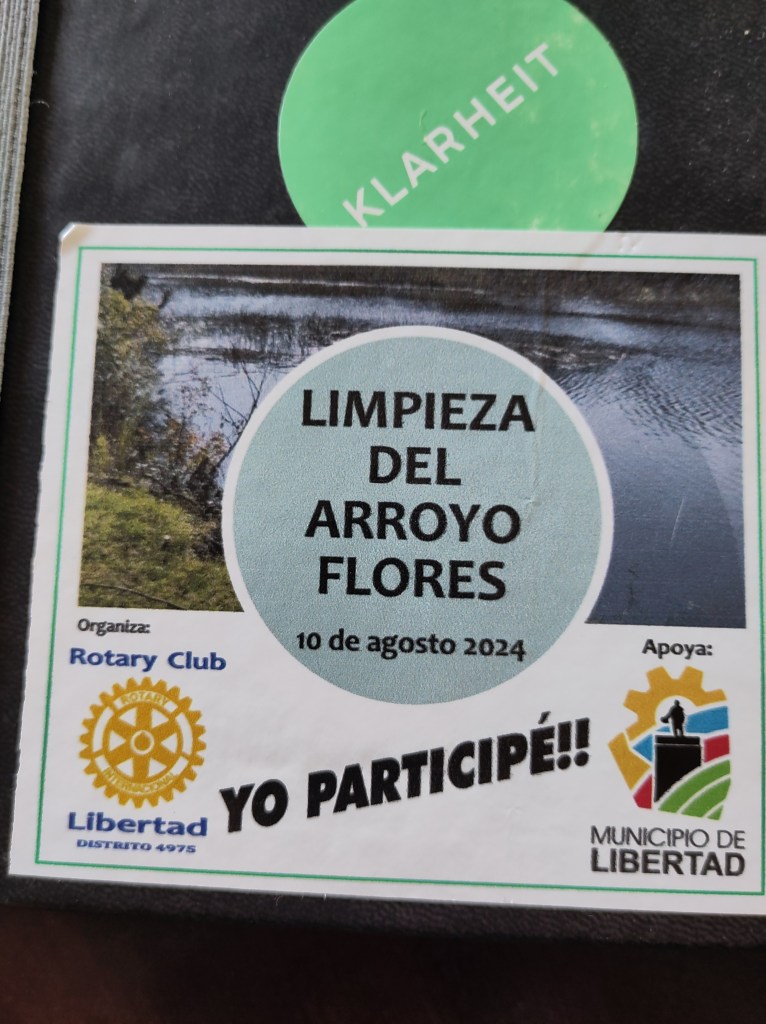
Thus, on a cold but sunny morning some 20-30 people gathered at the headwaters of the Arroyo Flores to give a little press conference and to then plunge into the riverbed. Some of the attendees didn’t even know that the dirty bit of water was a stream and that it ended in some quite interesting ecosystems some 10 km downstream – the place where I have my little forest and want to do the ecological education business. While in Dresden during clean-ups I would find bottles, plates and bags, here we dug out strollers, play pens, car wheels, lawn trimmers, bicycles, and other heavy material. The amount of clothing pieces we dug out was astonishing. These were clearly not items that came from the storm water runoff but had deliberately been dumped into the river. This was the case for the sites right next to the edge of the city. At two other points further away from the city plastic bags, foil and bottles were predominant. This, we found not only at the river edge but also suspended in the vegetation. In very few meters we picked up many a bag full of trash. It was quite shocking to see.
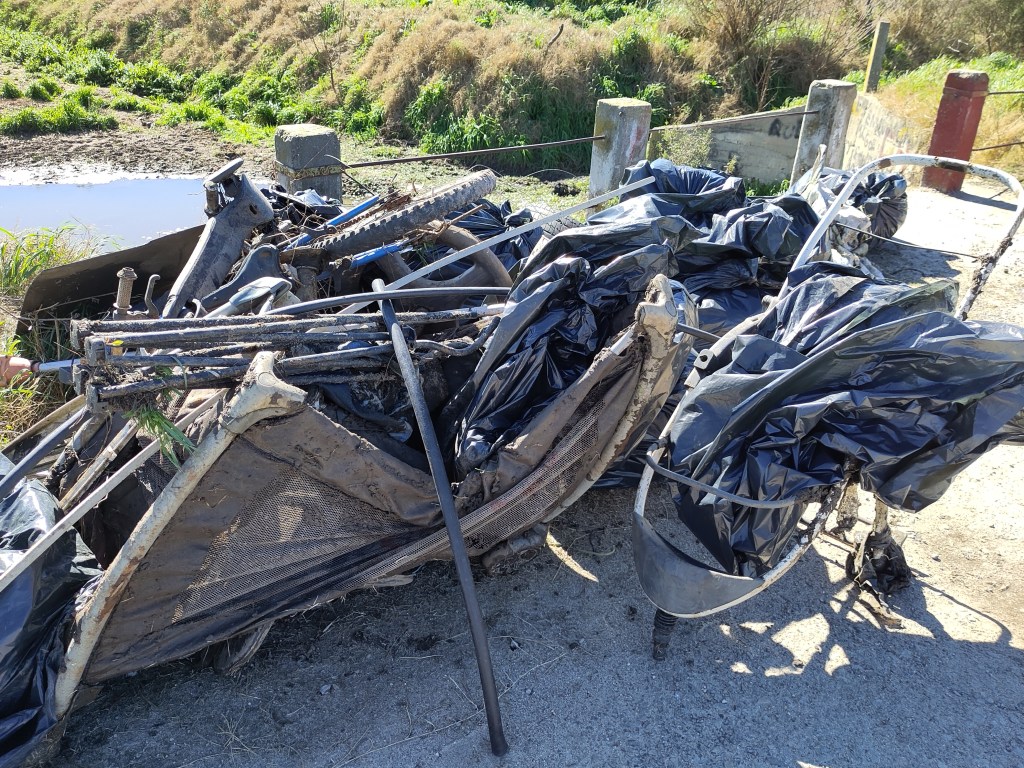
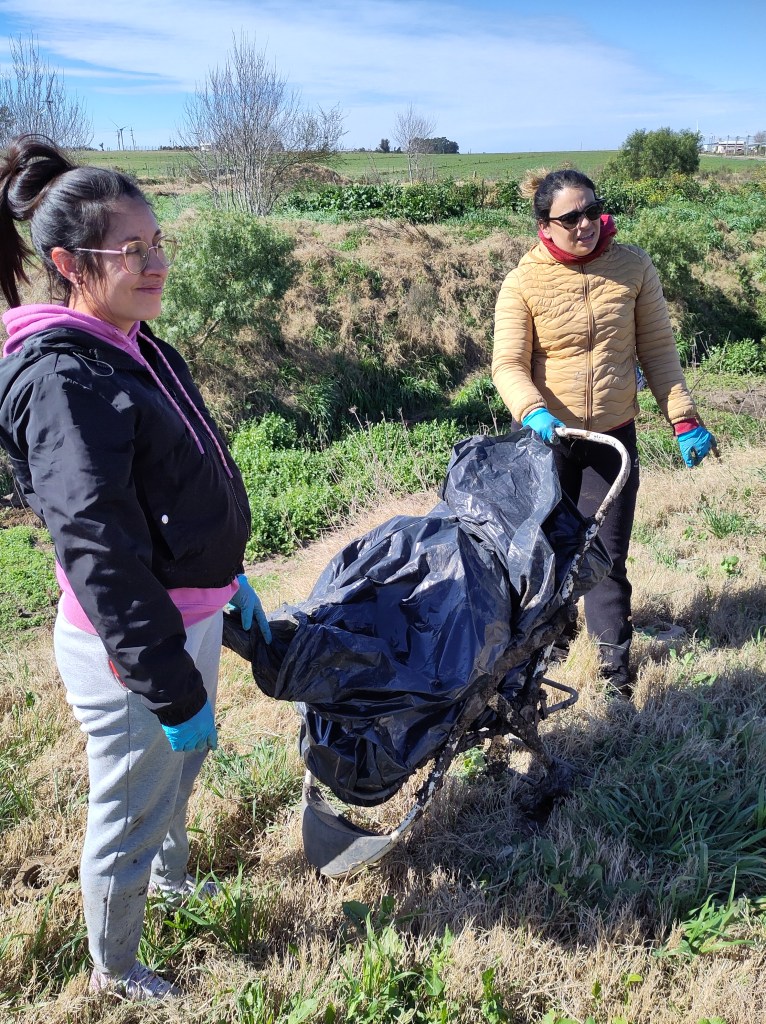
When I returned home that Saturday afternoon, I was quite sad, that only few people had turned up. Then again, in proportion, Libertad only has some 15.000 inhabitants. I was also slightly depressed about the amount of trash that we pulled out in so little time and such little space. I wondered why people considered these places to be appropriate trash disposal sites. When discussing this with the participants I heard, what I so often hear in relation to environmental issues: it’s all about education, people are not aware, they don’t have the conscience about the harm that they are doing, we need to educate the children. I am, to be honest, quite sick of hearing this. I started doing clean-ups in the early 90’s just like probably many other kids at that time. My mom always says that I educated her to separate the trash and that because of my insistence she set up a compost in our garden in Munich at the time. However, the amount of trash we produce in Europe is only growing and is linked to economic growth. The Elbwiesenreinigung pulled out roughly 7 tons of trash in 2024. A super interesting project turned into a documentary showed how far the trash from Dresden travels and where it ends up. WE know, but the problem is not going away. But research is showing that environmental education does not only improve knowledge on environmental matters but also influences attitudes, intentions and behaviours significantly. Thus, there may be hope.
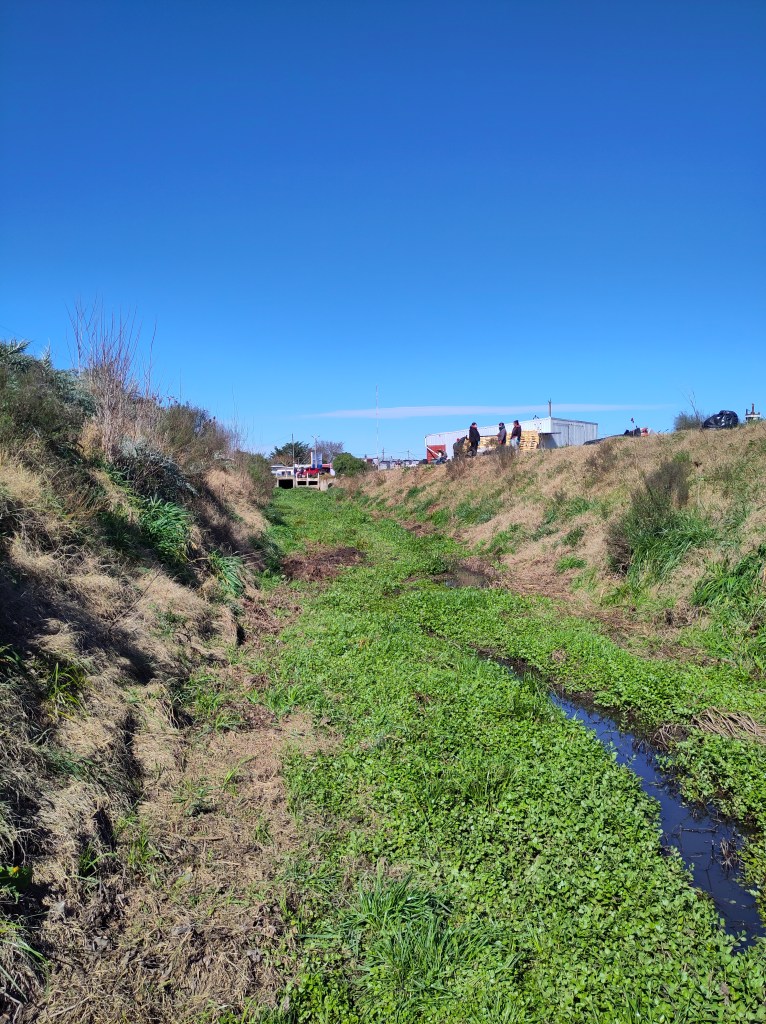
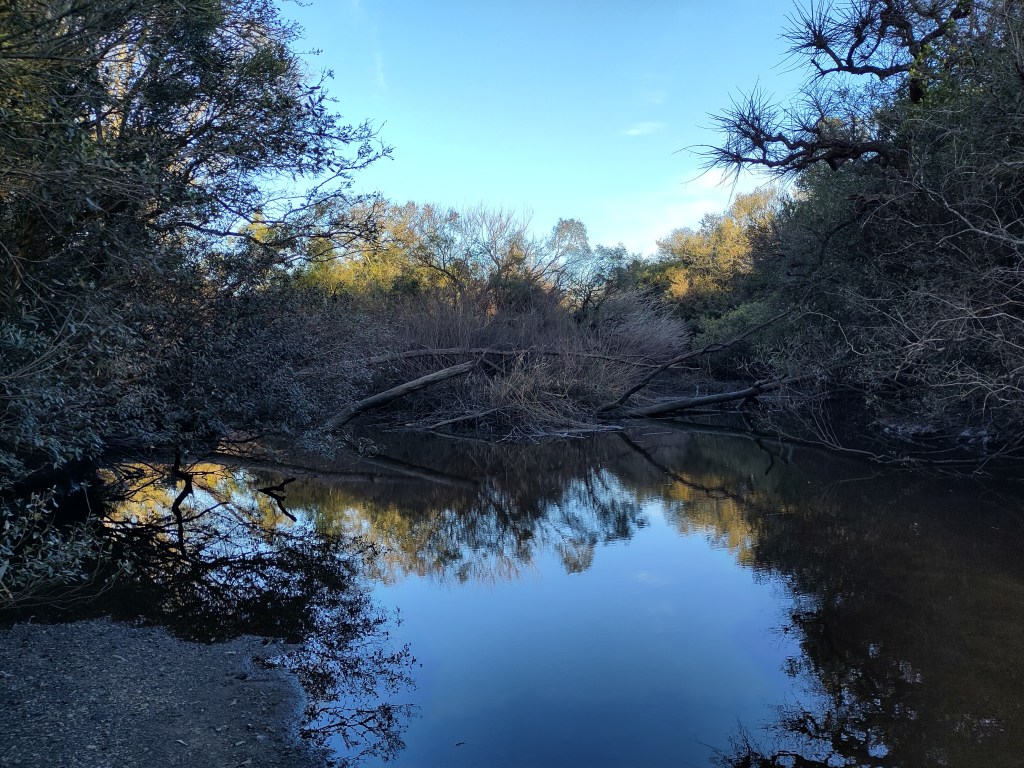
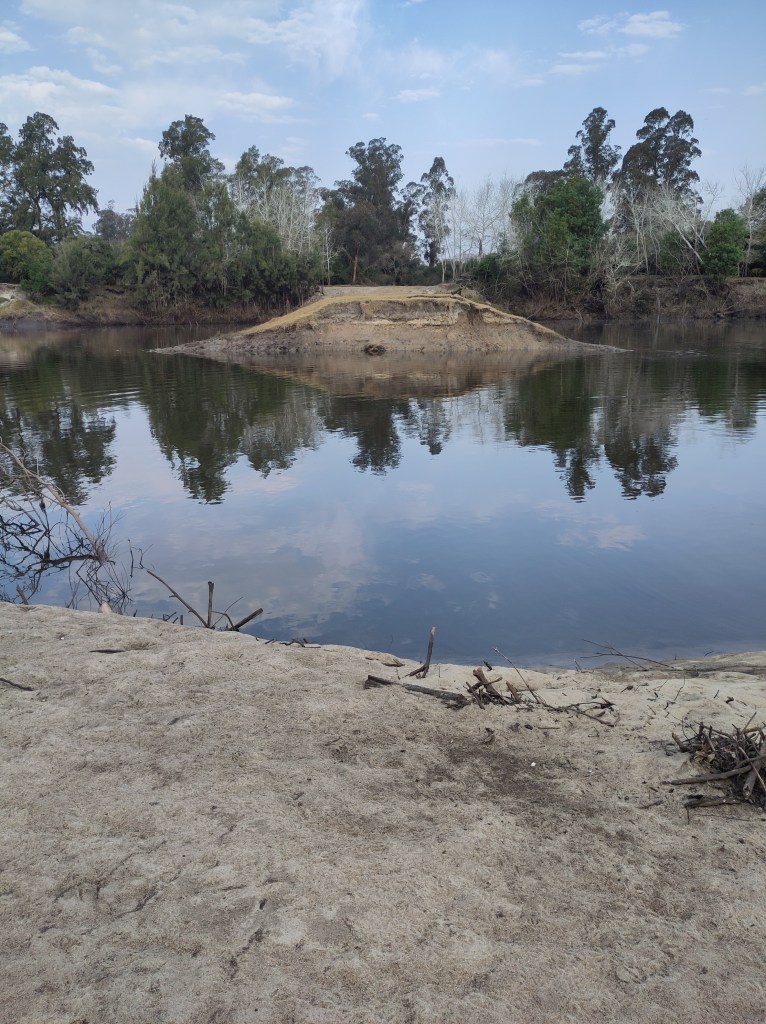
From headwaters to river mouth: the environmental change is spectacular
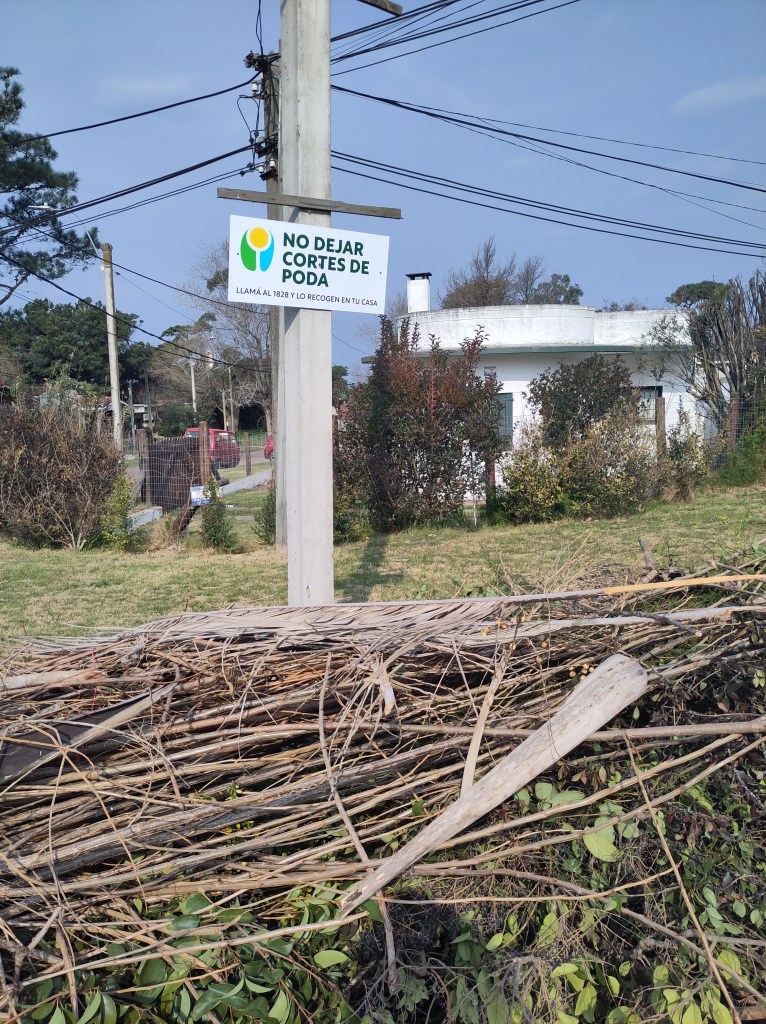
Consumerism was mentioned as one of the reasons for more trash in Libertad and that things that you buy nowadays come mostly from China (!) and that they are no longer reparable. In Saxony, we introduced the right to repair only last year and the European Parliament passed this only this year. If we are 30 years behind clean-ups here, do I need to wait another 30 years for the right to repair to arrive? In the meantime, what do we do? One of the reasons, why big items were in the river, so the participants speculated, was because people did not know where to dispose of these properly. A year ago, single household bins were introduced in the town rather than neighbourhood containers which prevailed before. People used to leave their trash next to these larger containers. Pickup was daily or almost; thus, trash did not linger long often. Changing a running system where people are used to certain ways of doing things and habits seems to be challenging. In one of the coastal towns, it amused me greatly to see that apparently garden trimmings were not supposed to be left next to the containers. The sign said so, you could call a number and they would come pick it up in front of your house. However, the trimmings were always there, every time I went by…
The Rotary Club members were fascinated. They plead to repeat this again and highlighted the importance of working both on the causes (why do we produce trash and dispose of it inappropriately?) and the consequences (trash in the river and its bed). I gave them some more pointers about how these events were coordinated and carried out in Europe. They, as business owners, took up the idea of involving business and making this part of their Corporate Social Responsibility sending out teams to the (annual?) clean-ups. So, my summary of this activity is somehow mixed: grateful that it was taken up so well and was seen as important and positive; sad to see that the issue is only starting and will become massive if it’s not nipped in the bud fast, that there is a long way to go and no easy fix.
My depression may also stem from two more facts. One, that it’s now been a year since the water transfer project of the San José to the Santa Lucía River was inaugurated and there is no hope in sight to reverse the situation – the remnants of the dam are still visible and present. The only viable environmental lawyer in Uruguay is under so much political pressure that he told me that he would not be able to take on this case right now. The political situation pre-presidential election is tight around the Neptuno Project, the desired new water treatment plant at the Rio de la Plata, which is not only receiving pushbacks from local NGOs but now also from the local farmers, all in principle pro-government… If the project is signed in the next few months, the next government no matter from which band will have to implement the project or face severe economic consequences. But the local government, who could stall parts of the project, is unwilling to do so. It’s like everybody is in cahoots with everybody else.
Me kayaking down to the dam a few weeks ago
Two, we are leaving in just 3 weeks and returning to Dresden. It has been a wild ride. We have seen, experienced and lived through a lot. What a crazy past half year. I definitely achieved my goal of getting back in touch with reality and nature. I write this blog from my most favourite place in the world – the farm’s terrace overlooking the magnificent floodplains. But I have also learned about the fragility of this place. My paradise has been shattered, I see through the cracks and see the challenges of nature preservation, conservation and restoration. This is not something people understand fully, they kind of understand it, but are not quite there to change their habits. Like buying less not just because you may save money, but because it’s good in general. As Stephen Covey says in his 7 Habits: Think with the end in mind. I guess we have different ends in mind.
Our return here is unclear. I applied for some more funds for the trails. I will be setting up a sign and am producing a little video that will show the wildlife camera images and videos. Shoutout to the local TV-hosts – so grateful for all the local help here. When I left Dresden, I cut a bunch of ties. The step of coming here for a half year helped me clean-out my to-dos and set priorities about where and on what I wanted to focus my time on. I am not sure I fully succeeded of really focusing my time, but I felt like I had an inner compass. Now, after the time here and the ups and downs of the endeavours, I am not as clear in my head and heart anymore. Which ties do I want to preserve here and why? How much time do I continue investing here and in what? How compatible is this with the rest of my/our life and – not a minor fact – earning money? Thus, it was a good timeout; I feel restored and renewed, my body is aching less, and my soul is in general more at peace. But, as in good research works, I leave with more questions than with which I came. I planted a seed. For now, it will have to water and feed itself. Maybe it’s hibernating awaiting the right moment to grow and flourish?

 Tamara Avellán
Hinterlasse einen Kommentar