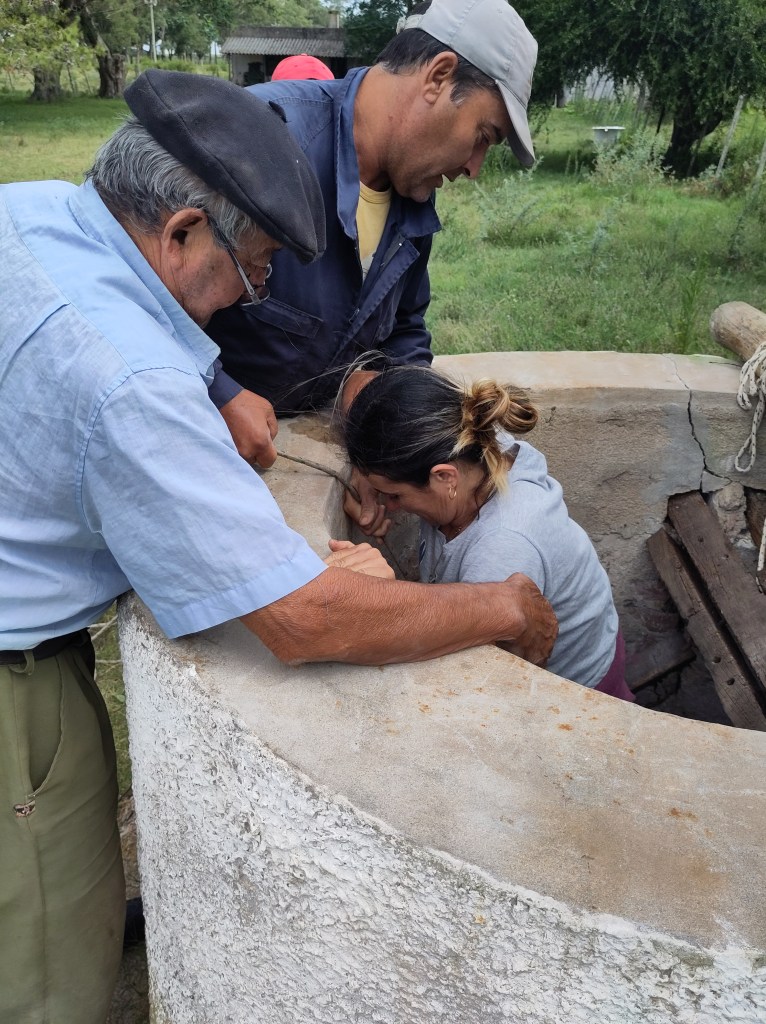
In principle, we have water. But we had to send Maria, our long-standing helping hand in the neighbourhood, down the water well to stick the pipe in the right place. The pump was sucking sand rather than water. With only about half a meter of groundwater level in the well putting the pipe in the right place becomes essential. Good thing the tractor driver, our Gaucho Grau and Ron were there to let her down those 5-7m and pull her back up. Now, we can only hope that the water in the floodplain will recover, and surface-near groundwater levels will rise again or else we and the seven horses and about a dozen cows and calves will run out of the precious supply.
This was Tuesday. On Wednesday, Ron and I went for a little Valentine’s Day adventure and visited the wetlands of the river mouth of the Rio Santa Lucia, which is a gigantic area of 2000+ha covered mostly with Juncus spp. (the entire protected area in which we also fall under is 20.000 ha large, more than double the area of the Sächsische Schweiz). Traditionally, the local population use the plants to make mats and provide material for roofing. The area is also used by artisanal fisherfolk as it is considered breeding grounds for a variety of marine fish species that come through the Rio de la Plata to lay their eggs in the large wetland area. Wetlands are my absolutely most favourite habitat. They are simply amazing. They have super high biodiversity (not just in mosquitos), they mitigate floods and tend to make droughts less harsh by releasing water slowly (sponge function), capture excess nutrients, organic matter, and all of the other junk that we humans tend to put into the landscape (trash, pesticides, PCBs, etc.), and are very effective carbon sinks. They support lives and livelihoods through fishing, grazing, sustainable hunting and gathering (our blackberries are starting to be ripe, OMG, best ever). In Turcios et al. 2021, we showed the large variety of salt-tolerant wetland species and their uses in South America. Loosing wetlands, of which we have lost 3.4 million km2 since 1700 to crop conversion, not only sucks for the biodiversity loss we are experiencing (~ 40% of the world’s species live and breed in wetlands and 25%+ of all wetlands plants and animals are at risk of extinction), it is affecting the earth’s capacity to store carbon: “Peatlands and vegetated coastal wetlands are among the most carbon rich sinks on the planet sequestering approximately as much carbon as do global forest ecosystems.” (Moomaw et al. 2018)
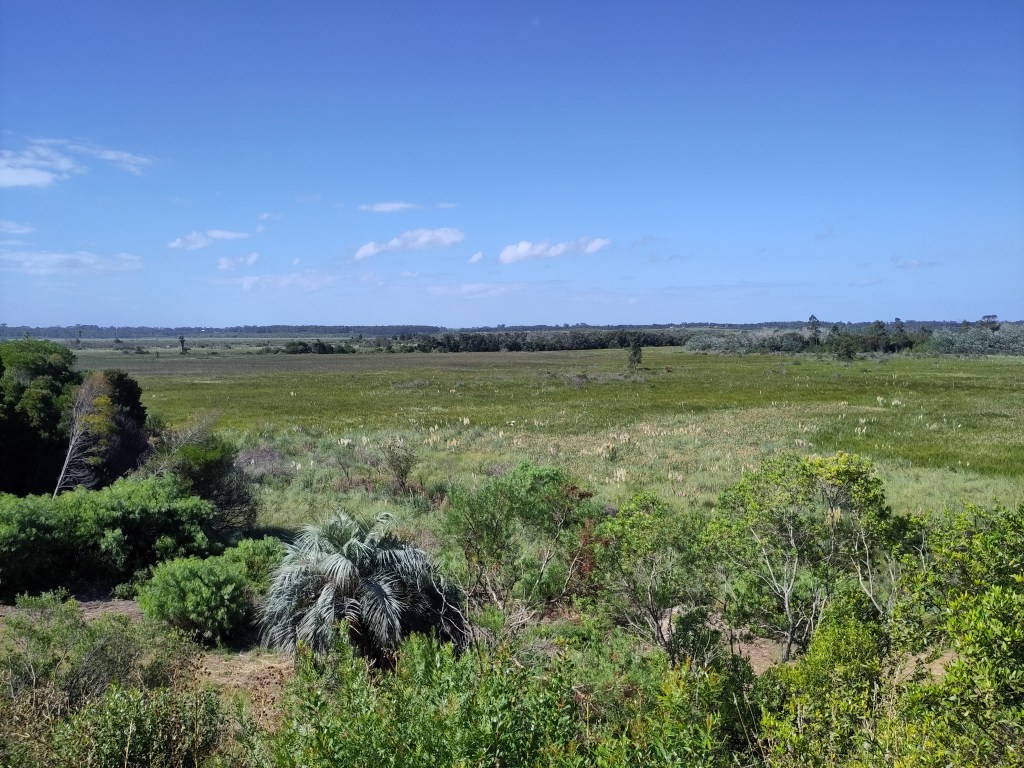
Bird’s eye view of the Santa Lucia River lower wetlands
We finalized our little outing with some glamorous High Tea in La Baguala overlooking the Rio de la Plata coastline. This is a hotel and restaurant (as well as some land development project) in an old farmhouse and also offers care to your equestrian friends. We only brought my mom’s old car which decided to not start after we had looked romantically into the setting sun over the river… The staff had to jump start it 😊
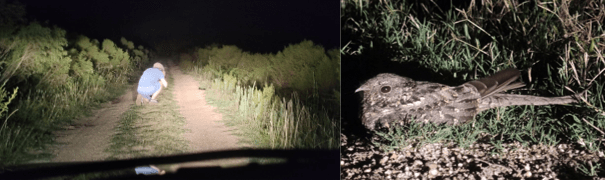
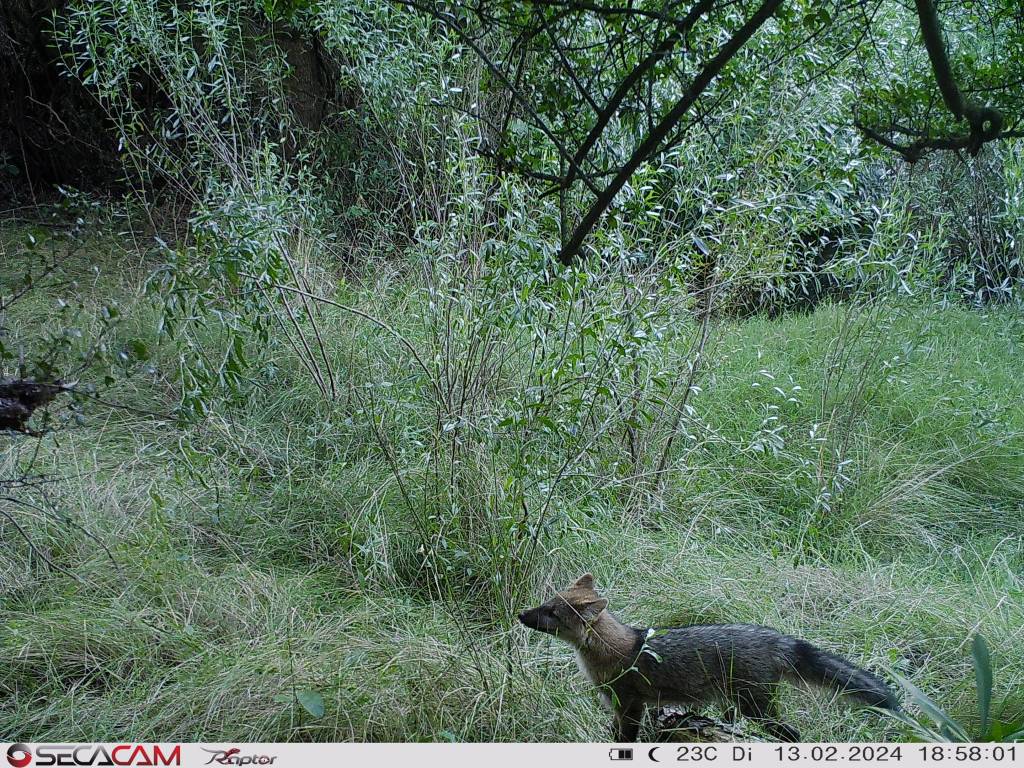
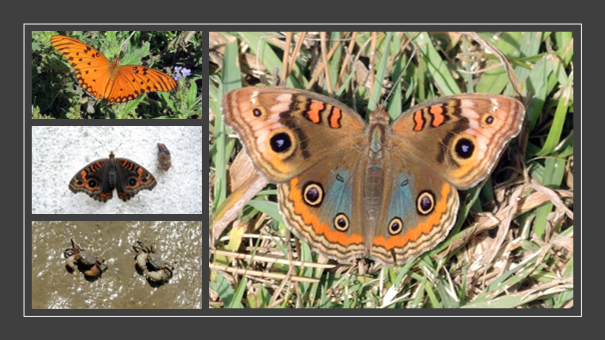
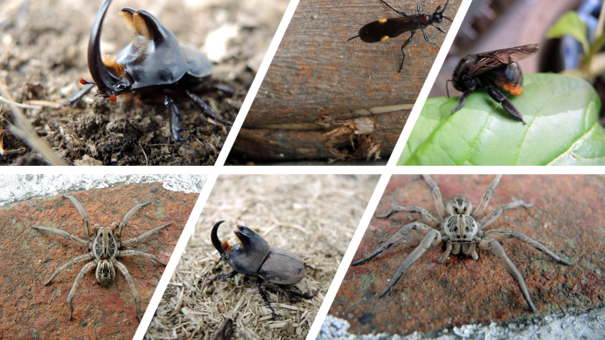
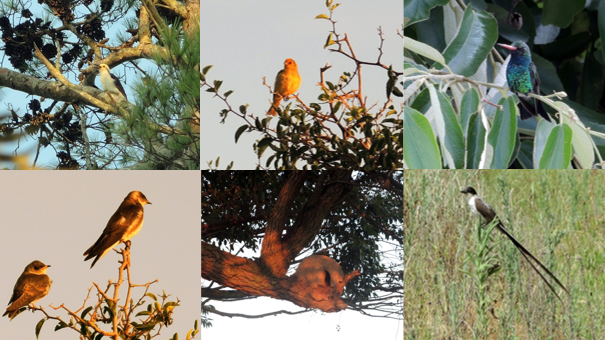
Ron is showing full dedication to the wildlife photography. Here, he is taking pictures of the nightjars on the path from the road to the farmhouse. He is relentlessly taking his early morning walks and checking the status of the wildlife cameras even though the mosquito density has picked up in the last few days. It has rained and temperature are now at agreeable 25-30°C – divine breeding grounds for Ron’s favourite buzzing friends. He is being devoured alive, poor fella. But, as you can see, the photographic yield for his dedication is grand and thus we can not only show you a fox pup in full colour, but also butterflies (one that had just hatched from his chrysalis), rhinoceros beetles showing their full beauty, and a host of birds such as the Tijereta (Tyrannus savana). The tarantulas have been waiting for him in the early morning on the spot where he rolls out his yoga mat. Two of them turned out recently defunct – on two days in a row…
This weekend we are away on a folkloristic trip to Durazno, where the 50th anniversary of Folklore will take place. I have been asked by my choir lead from Dresden (shoutout to FemmesVocales) to collect nice songs from my trip – so, Sylke, this is what I will do this weekend! Other than that, congratulate us to WiFi internet on the farm. Antel came to set up the antenna this morning. For now, it is working quite nicely, I will test the speed next week when I pick up my video conferences again.


 Tamara Avellán
Hinterlasse eine Antwort zu Family time – My Uruguayan nature adventure Antwort abbrechen