We’re back on European ground. My body might be physically here, but my soul is still catching up and somewhere between the continents in limbo. Funny, I have moved so many times in my live, lived on almost all continents and started over in a new place quite a number of times, but I think, I have rarely actually consciously ‘gone back’ (I think the last time was when we moved back from Buenos Aires to Munich when I was a young adult). Taking possession of my apartment feels odd – known and alien at the same time. My son did take good care of it (and I know it did take him a lot of effort), the cat is still alive and most of the things are where they are supposed to be, but I am acutely feeling the change. The birds aren’t the same, the light is different (yes, it is summer and not winter – the 30 degrees that received us probably aren’t helping), it smells differently (it’s less muddy 😉), and everything just feels weird. There are also lots of people around again. That is very weird. Well, I still need to arrive. This will take some time, and my lesson learned for any other next time is to actually plan transition time in, and not to start full speed right away.
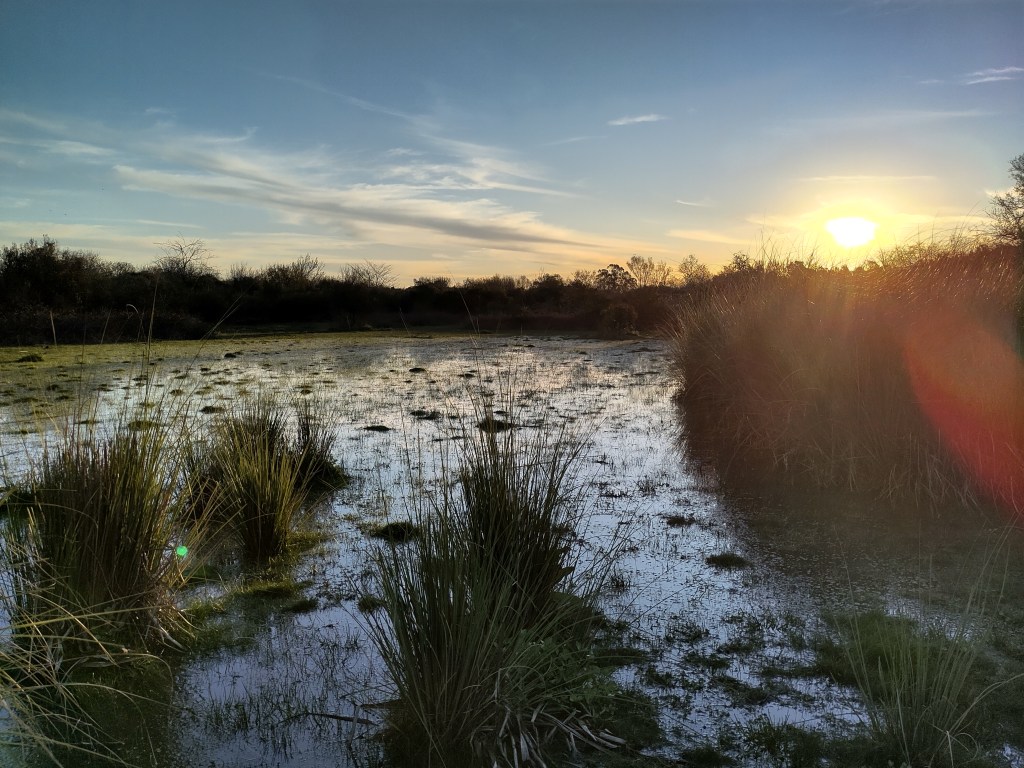
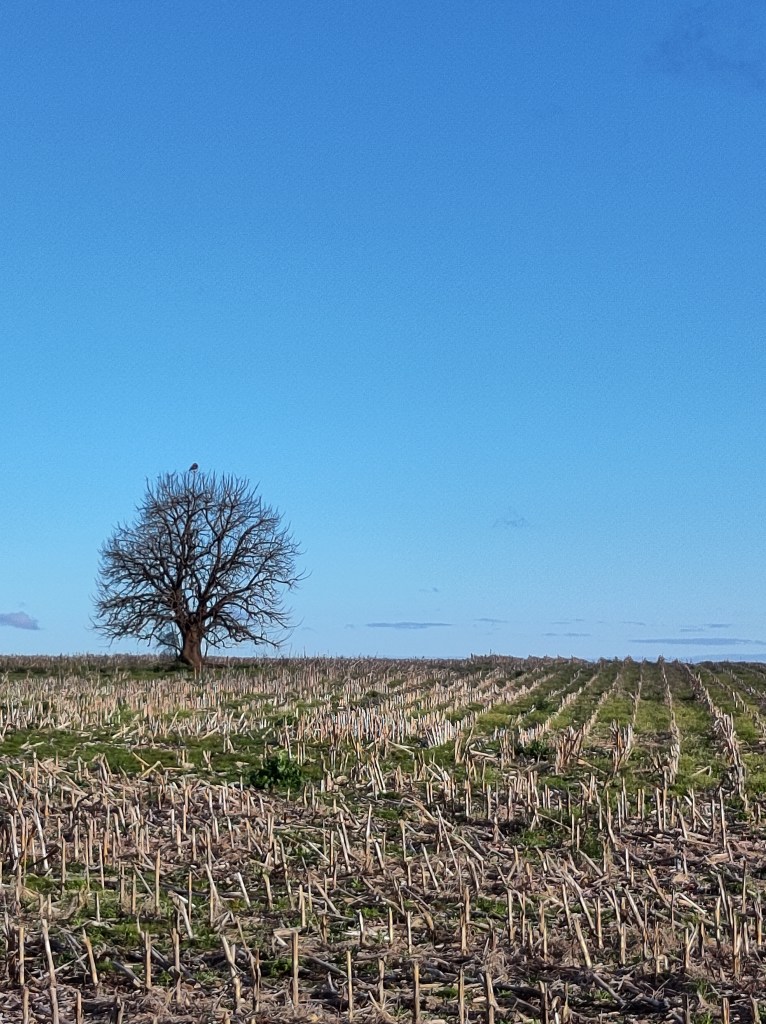
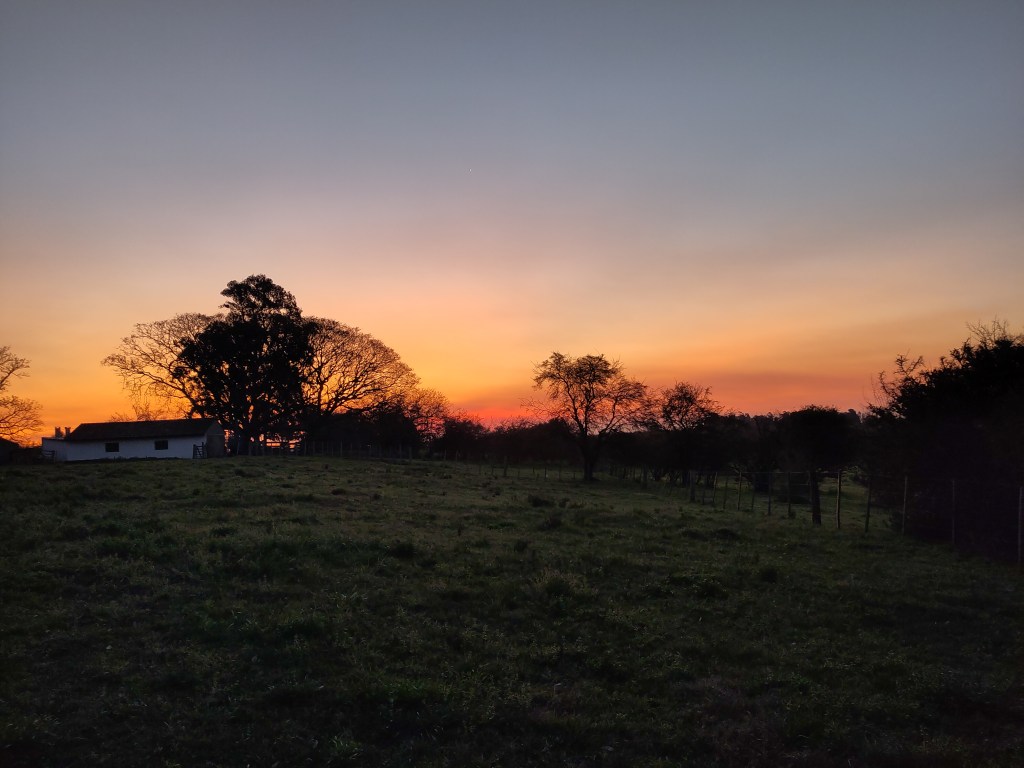
We ended our stay with closing off the house and putting the car in the living room. A friend from town was on the same flight as us and so we got to travel with them which made things less complicated. We got blessed with some more torrential rainfall (70mm in 36 hours) which had Ron hunting for the wildlife cameras he had put up next to the river a few times as the water kept on rising. We got some nice shots of tatús – armadillos (Dasypus novemcinctus) and some more foxes, and some more cats. Spring has been coming and slowly some of the birds were coming back like the lechuzita de campo (Athene cunicularia) and the white woodpecker (Melanerpes candidus). I took an awesome video of the pair of owls as they were sending out warning cries when I went to go greet the horses. We used the last days and weeks for many nature walks. Temperatures had been slowly rising to some 15-20 degrees which made tramping through the woods quite agreeable. The sunsets had been particularly stunning in the last few weeks.
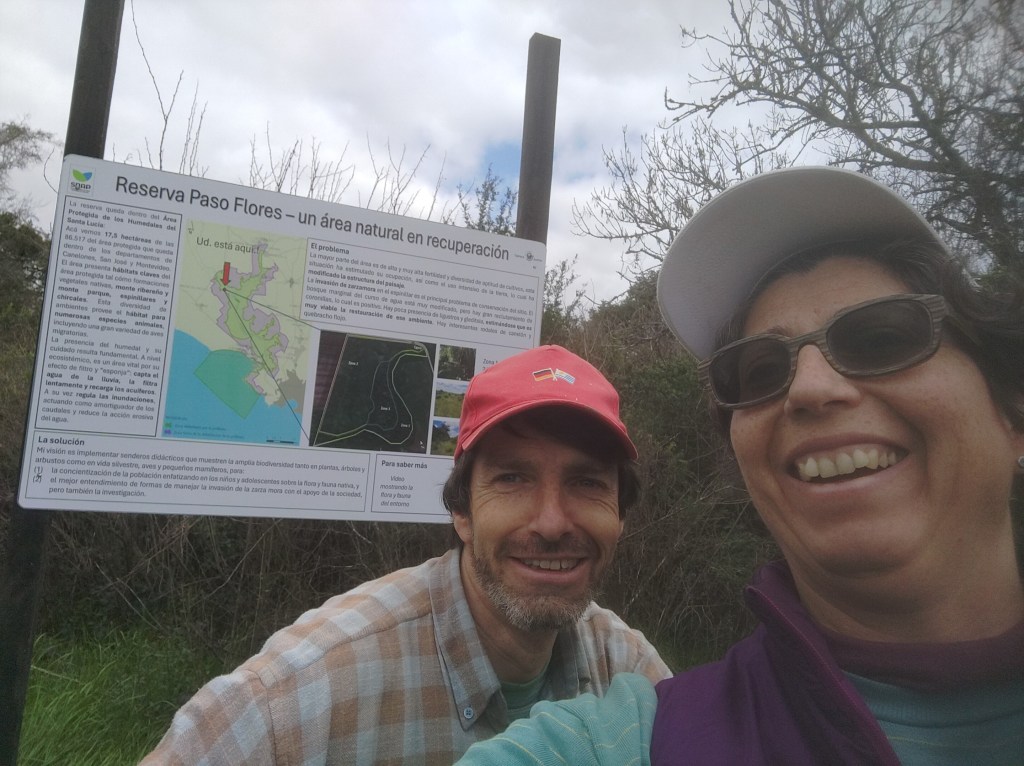
One of our last activities was to put up a sign explaining what the nature reserve is about in my little forest. People had been saying that it looked really abandoned so I wanted to make sure that passers-by got to understand that it was a place in recovery and was not being touched on purpose. I am still hoping that it will get accompanied by a small video. That would make for a valuable experience and give some first insights into the flora and fauna of the place. So, I designed the sign, bought the metal and the wooden posts, had it printed and put on the metal frame and then, with my strong Ron, we went and cleared some of the vegetation of the entrance dug some holes and set up the sign. I am very proud. It’s funny how something as simple as a sign can make such a big difference in appearance. While we were putting it up, we already had several visitors that got interested in what we were doing and what it was all about. I also realized that there was quite some traffic on that road which might give this place more visibility than I had expected. I have applied for some more funds to be included as a trial area in an EU funded research project, so maybe we will get some more action on the ground in the next months and years. I have also reached out to some of the people I had been working with to see if some of them would like to become my local partners.
In terms of my support of the work of local NGOs, quite a few things happened in the last few weeks: the contract between the government and the companies on the new drinking water plant on the River Plate can still not be signed – the appeal failed, however the process of the environmental impact assessment still continues and comments on the project and its potential consequences can now be made. So, with the group we have been busy informing the public about how to make comments and giving suggestions about what they may want to say, like what I said about why the project actually is not justified and other measures may be more appropriate (MVD Noticias). The local farmers that are now being evicted, mind you, without the government having signed the contract for construction and without the environmental impact assessment being approved, have been actively campaign mostly against the larger water reservoir of 240 hectares on some of the most fertile ground in Uruguay. Most of them are rather voters of the current government and were hoping that they might be heard by ‘their’ politicians. So they have been talking to the local and regional government officials and were even heard in parliament, and while the regional government asked for the project to be temporarily suspended it still needs to be validated at higher levels. It’s quite amazing to see that even though it is clear to most people, politicians, scientists and NGOs, the government has made such deep promises and has become so blinded by its greed that it is no longer possible for them to stop and backtrack. And while many are hoping that the upcoming elections will trigger a change in government which will then decide to change strategies, I am, personally, not as convinced. There are only those few construction companies in Uruguay, and all governments, no matter from which side, have worked and will have to work with them. How much freedom is there in action if you are bound to set of few powerful actors? My aunt asked me what my main findings were from my stay. This is what I said:
- That the metropolitan area itself does not have a supply problem. What it has is the vulnerability of having only one water treatment plant that, if for whatever reason it does not work, 1.7 million people will be left without water (e.g. if flood levels continue to rise as they did in March 2024).
- That the issue of water quality in the Santa Lucia River Basin (the basin that provides the drinking water supply) is being evaded. The loss of capacity to provide sufficient good quality water to the ecosystem is evident and is becoming increasingly worse with the productive model of the basin.
- That Uruguay in general and the OSE (the state owned and run water company) in particular could be much bolder in water management, for example through communication and education campaigns on water care, changes in building codes towards the use of rainwater and grey water for non-potable uses, etc.
- That instead of implementing a change of mentality towards a reasonable use of water for various consumptions and uses (green hydrogen), it is being commercialized in all its forms. The Neptuno Project is the most obvious in its violation of the Constitution, but it occurs in all the other projects and also in the changes to the irrigation law.
I am very grateful for the environmental activism I got to do here. It connected my scientific theories back to reality and showed me, once more, how difficult change is ‘on the ground’. With this perspective I move into the final year of the Nexogenesis project where we are aiming to deliver tangible results for policy changes in 5 watersheds throughout Europe and South Africa. I very much look forward to participating in the final workshops and to facilitate the conversations towards some sort of agreements. In the SludgeTec project I managed at UNU a few years ago we provided hard and ample recommendations for two wastewater treatment plants in Mexico and Guatemala. It was very gratifying to hear from researchers at the University of Mexico that our recommendations had actually been taken up and that in a follow up project they were now considering applying social science tools that we had started on. Now that, I call impact! With the colleagues from the German Transdisciplinary community (GTPF e.V.) we are working exactly on this: how to measure, monitor and evaluate the impact of transdisciplinary research projects. While we firmly believe that projects that work across researchers and practice partners are more effective in achieving transformational change towards a more sustainable future, we often lack systematic evidence. I am off to Bucharest next week to the Nexogenesis General Assembly meeting and we will talk there also about how to figure out what impact we are making with the project and how to track it in the future also post-project.
This is for now my last blog post. Our Uruguayan nature adventure has come to a pause for now. We will see what the future may bring and how we get to manage to set up our lives between and across the continents with bodies in one and souls somewhere in between. I am grateful for this grounding experience that provided me with the very much needed reality check.


Kommentar verfassen